Key Takeaways
- Snow shovelling combines heavy loads, cold and sudden exertion, placing demands on the back and cardiovascular system.
- Push snow when practical. If lifting, take small loads, keep them close and turn with your feet rather than twisting under load.
- Pace yourself and take breaks before exhaustion. Stop and seek urgent medical help for chest pressure, severe unusual breathlessness, faintness or sudden weakness.
Snow shovelling is easy to underestimate. Heavy snow, repetitive lifting and cold temperatures can place significant strain on the back and cardiovascular system, especially for people who are not accustomed to strenuous exercise.
Why Snow Shovelling Can Be Physically Demanding
Snow removal combines several stressors at once:
- Lifting and carrying uneven loads
- Repetitive bending and twisting
- Pushing against heavy or compacted snow
- Cold temperatures
- Sudden vigorous exertion
The American Heart Association specifically warns that heavy snow shovelling can place substantial stress on the heart and may increase the risk of heart attack or sudden cardiac arrest, particularly for people who are not regularly active or who have cardiovascular risk factors.
1. Reduce Back Strain
Whenever practical, push snow instead of lifting it. If you do need to lift:
- Take smaller loads rather than overfilling the shovel.
- Keep the load close to your body.
- Bend through your knees and hips rather than repeatedly rounding your back.
- Avoid twisting while holding a loaded shovel; move your feet and turn your whole body instead.
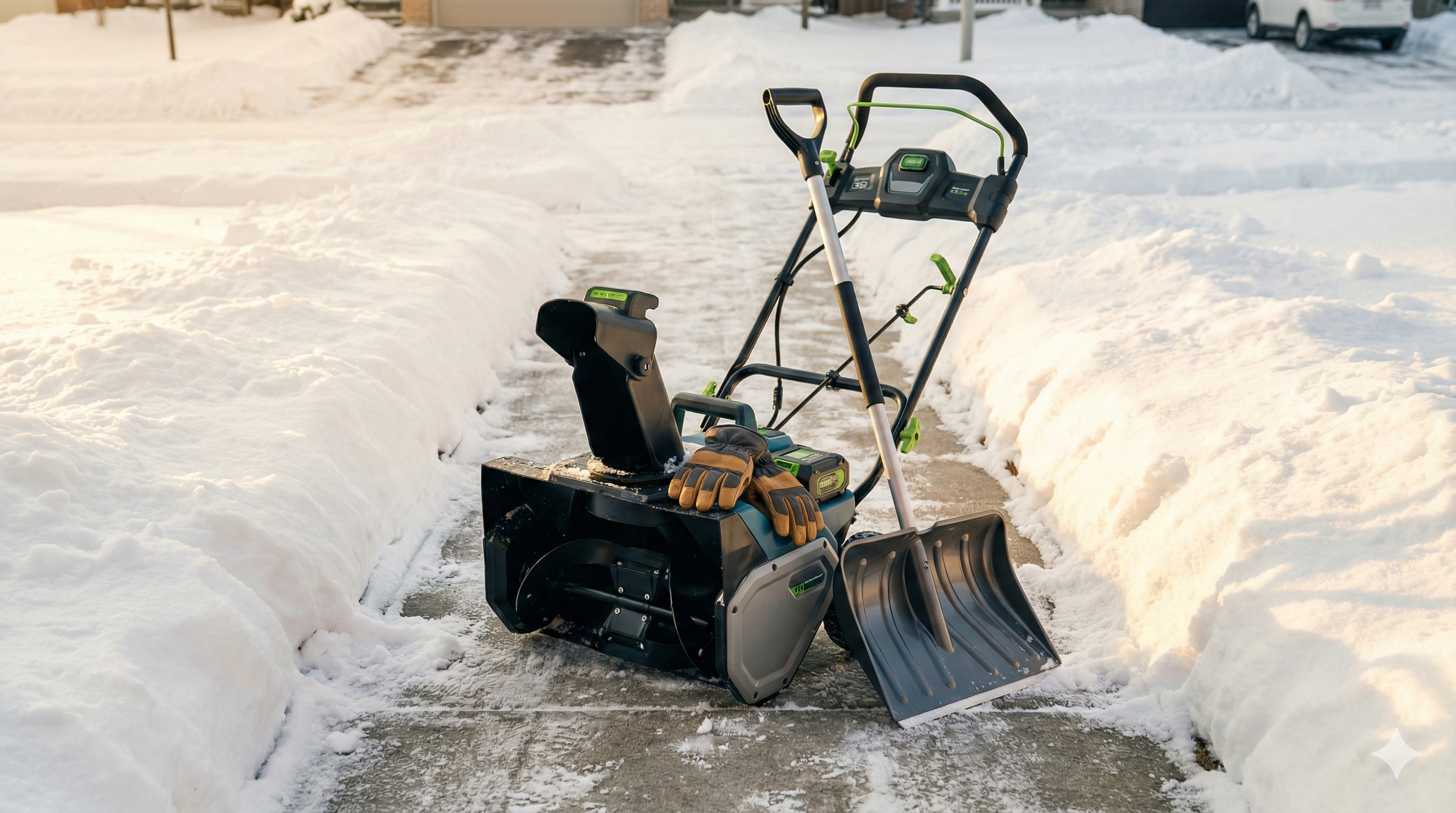
An ergonomic pusher or sleigh shovel can reduce the amount of lifting needed on suitable surfaces.
2. Treat Shovelling as Strenuous Exercise
Do not assume snow clearing is light household activity. Heavy, wet snow can make the work very demanding.
Start at a manageable pace and take breaks before you become exhausted. There is no universal “safe” break interval that applies to everyone.
3. Pay Attention to Cold
Cold weather adds cardiovascular stress and can make physical warning signs easier to dismiss. Dress in layers so you can stay warm without overheating as your workload increases.
4. Know When to Stop
Stop shovelling and seek urgent medical help if you develop symptoms such as chest pressure or pain, severe or unusual shortness of breath, faintness, sudden weakness or other signs that concern you.
If you have cardiovascular disease, significant cardiovascular risk factors or have been told to limit strenuous activity, discuss snow shovelling with a healthcare professional rather than assuming it is safe for you.
5. Avoid Rushing Through Heavy Snow
Large accumulations are easier to manage in smaller sections. When it is safe and practical, clearing lighter accumulations before they become deeply packed can reduce the amount of force required later.
During an active storm, however, always weigh the benefit of clearing against visibility, wind chill and other immediate weather hazards.
6. Use the Right Tool
A shovel that is too large encourages heavier loads. Choose a shovel that fits your strength and the snow conditions. Keep the edge in good condition and use a powered snow blower only according to its safety instructions.
Professional Snow Removal as an Alternative
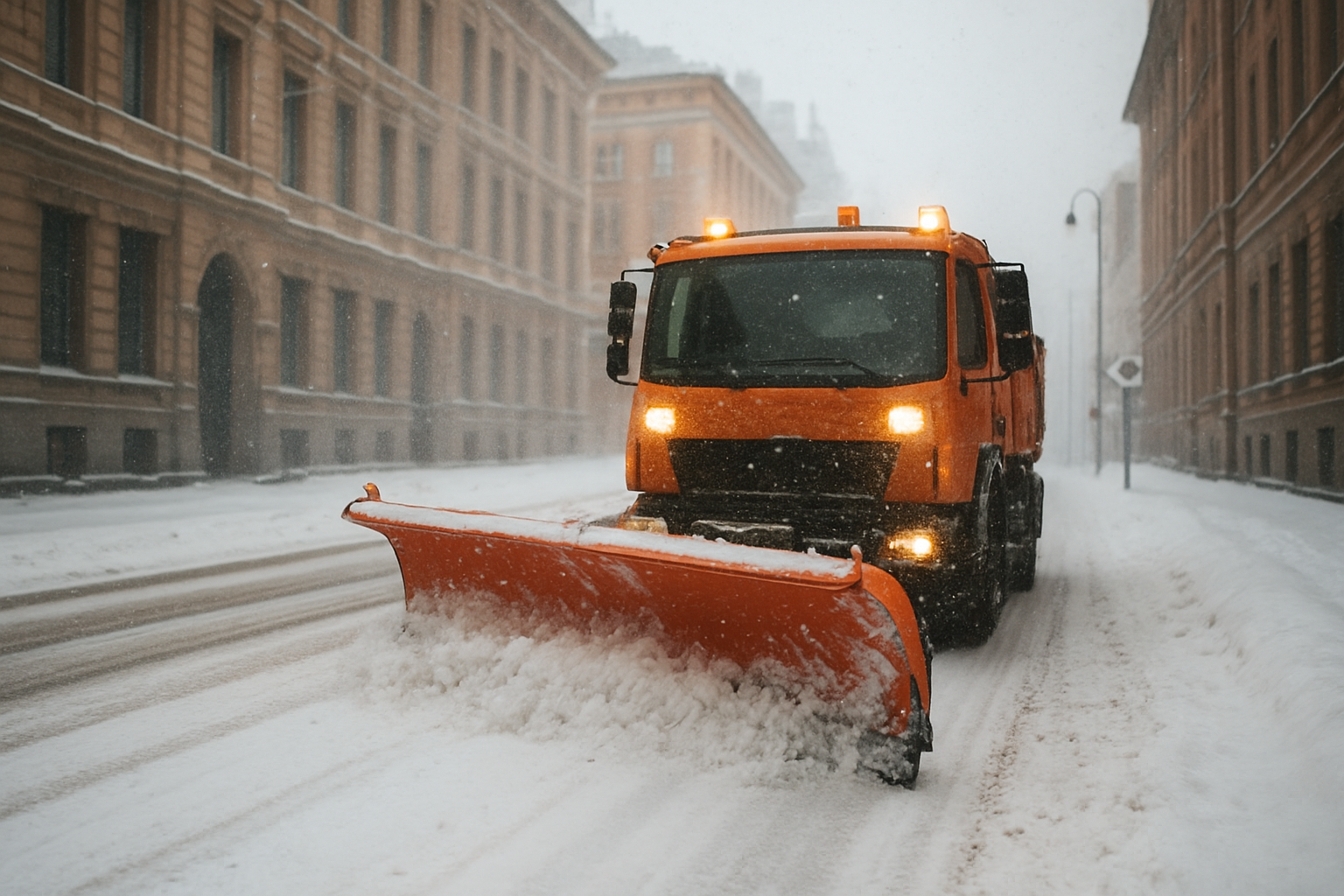
For people who prefer not to perform strenuous snow clearing, a professional service can reduce the physical workload.
Neighbourhood Heroes provides residential snow removal with unlimited triggered visits during the service season. We dispatch when snowfall reaches at least 0.5 cm and for freezing-rain events, with a 24-hour service promise after the snowfall ends.
Professional service does not eliminate the need to address an urgent access or safety issue that develops before a scheduled visit, but it can substantially reduce the amount of routine shovelling a homeowner has to perform.
Bottom Line
Snow shovelling can be vigorous exercise. Use smaller loads, push rather than lift when possible, avoid twisting under load, pace the work and take cardiovascular warning signs seriously.
If you would rather leave routine clearing to a crew, compare our current Edmonton snow-removal packages.


No Comments Yet
Let us know what you think