Key Takeaways
- Weed management combines provincial regulation, municipal property standards and control methods chosen for the plant and site.
- Alberta distinguishes noxious weeds that must be controlled from prohibited noxious weeds that must be destroyed; designation is not the same as ordinary lawn weed status.
- Edmonton's restrictions on non-essential herbicide use on City-owned land are not a blanket private-lawn ban. Identify the weed and follow current product labels.
Weed control in Edmonton has changed from a primarily agricultural and enforcement-driven problem into a combination of provincial regulation, municipal property standards, integrated pest management and residential turf care.
Early Canadian Weed-Control Laws
Canada has regulated problem weeds since the nineteenth century. Early laws focused heavily on agricultural productivity and preventing species such as Canada thistle from spreading through farmland.
Those early laws established a principle that still exists today: some plants are regulated because their spread creates broader economic or environmental consequences beyond a single property.
Weed Control Becomes a Provincial and Municipal Responsibility
As Alberta's agricultural system developed, weed inspection and control became a shared responsibility involving landowners, municipalities and the province.
After Alberta's Agricultural Service Board legislation was introduced in the 1940s, weed and brush control became a major part of municipal agricultural programs. Over time, the province continued modernizing its weed legislation and enforcement framework.
2010: Alberta's Current Weed Control Framework
The current Alberta Weed Control Act was proclaimed in 2010. It distinguishes between:
- Noxious weeds, which must be controlled, and
- Prohibited noxious weeds, which must be destroyed.
The accompanying Weed Control Regulation lists the species in each category. Municipalities enforce these requirements within their jurisdictions.
Edmonton's Community Standards Also Matter
Provincial weed legislation is not the only rule affecting Edmonton properties. The City's Community Standards Bylaw also addresses nuisance property conditions. Edmonton states that unkempt grass or weeds should not exceed 10 cm.
This is separate from the Alberta Weed Control Act. A plant does not have to be provincially regulated for an overgrown property to create a municipal nuisance issue.
2015: Edmonton Restricts Cosmetic Herbicide Use on City-Owned Land
On June 23, 2015, Edmonton implemented restrictions on non-essential herbicide use on City-owned land, with exemptions for regulated weeds, infrastructure, certain sports facilities, cemeteries and other specified uses.
This is frequently misunderstood. Edmonton's 2015 restriction is not a blanket ban on homeowners using every herbicide on private residential lawns. Residential pesticide use is governed by federal product registration, provincial requirements and the pesticide label.
Integrated Pest Management
The City now describes its approach as integrated pest management: prevention and non-chemical methods are considered first, while pesticides can still be used where they are necessary and permitted.
That reflects a broader shift in modern weed management. The goal is no longer simply to spray every unwanted plant. Good management starts with identification, prevention, healthy competing vegetation and choosing a control method that fits the weed and site.
2026: Alberta Updates the Regulated Weed List
Effective January 28, 2026, Alberta updated its list of regulated weeds. Among the changes, creeping bellflower and perennial sow thistle were removed from provincial regulation.
Removal from the regulated list does not necessarily mean a plant stops being invasive or difficult to manage. The City of Edmonton still identifies creeping bellflower as invasive and recommends controlling its spread.
What Has Not Changed
Modern weed control still depends on a few basic principles:
- Identify the plant correctly before treating it.
- Know whether it is a regulated weed or a nuisance weed.
- Use cultural and mechanical control where practical.
- If a pesticide is used, choose a product registered for the target weed and site.
- Follow the Canadian product label.
- Prevent seed production and reinfestation where possible.
Weed Control on Edmonton Lawns Today
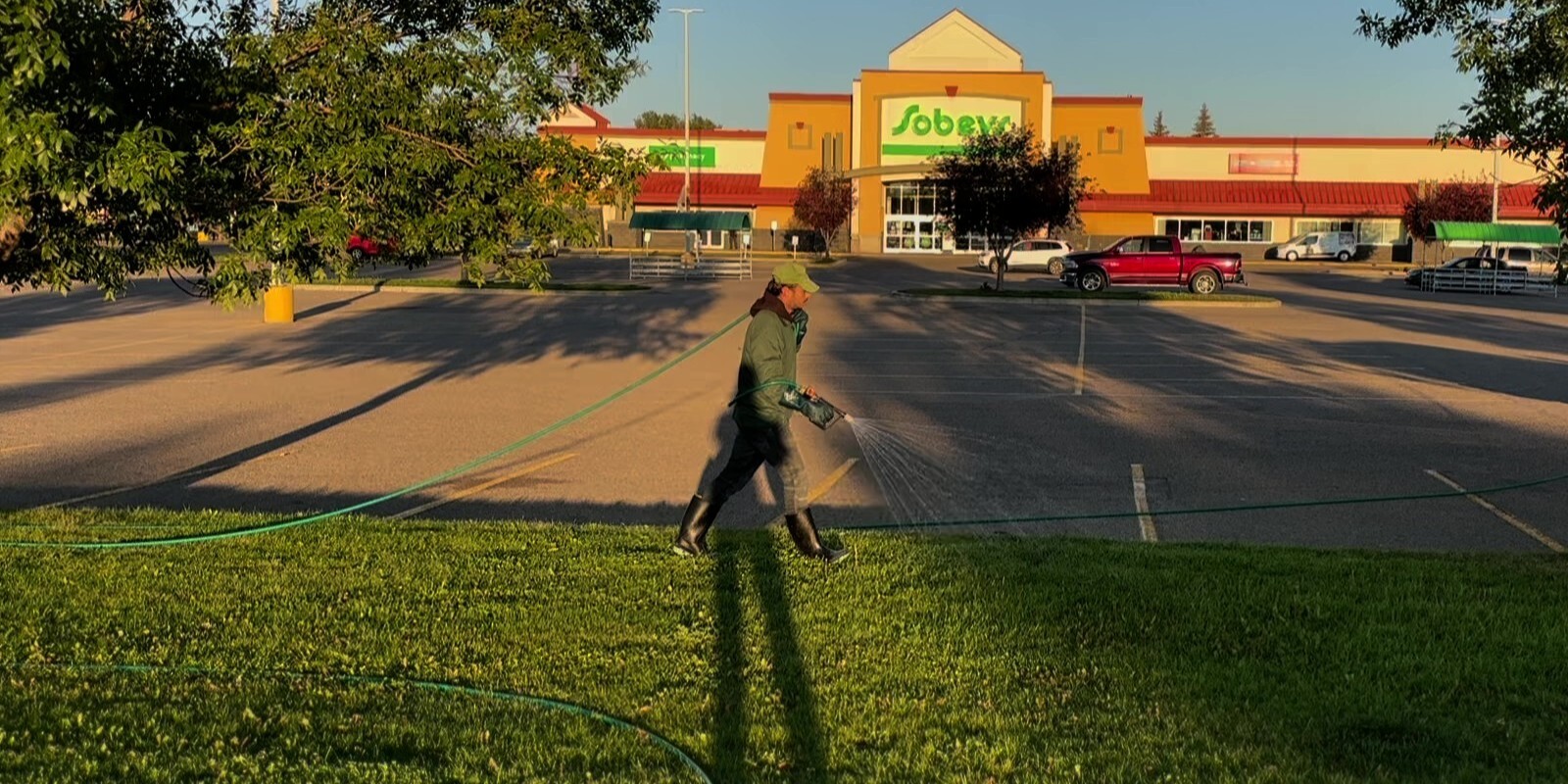
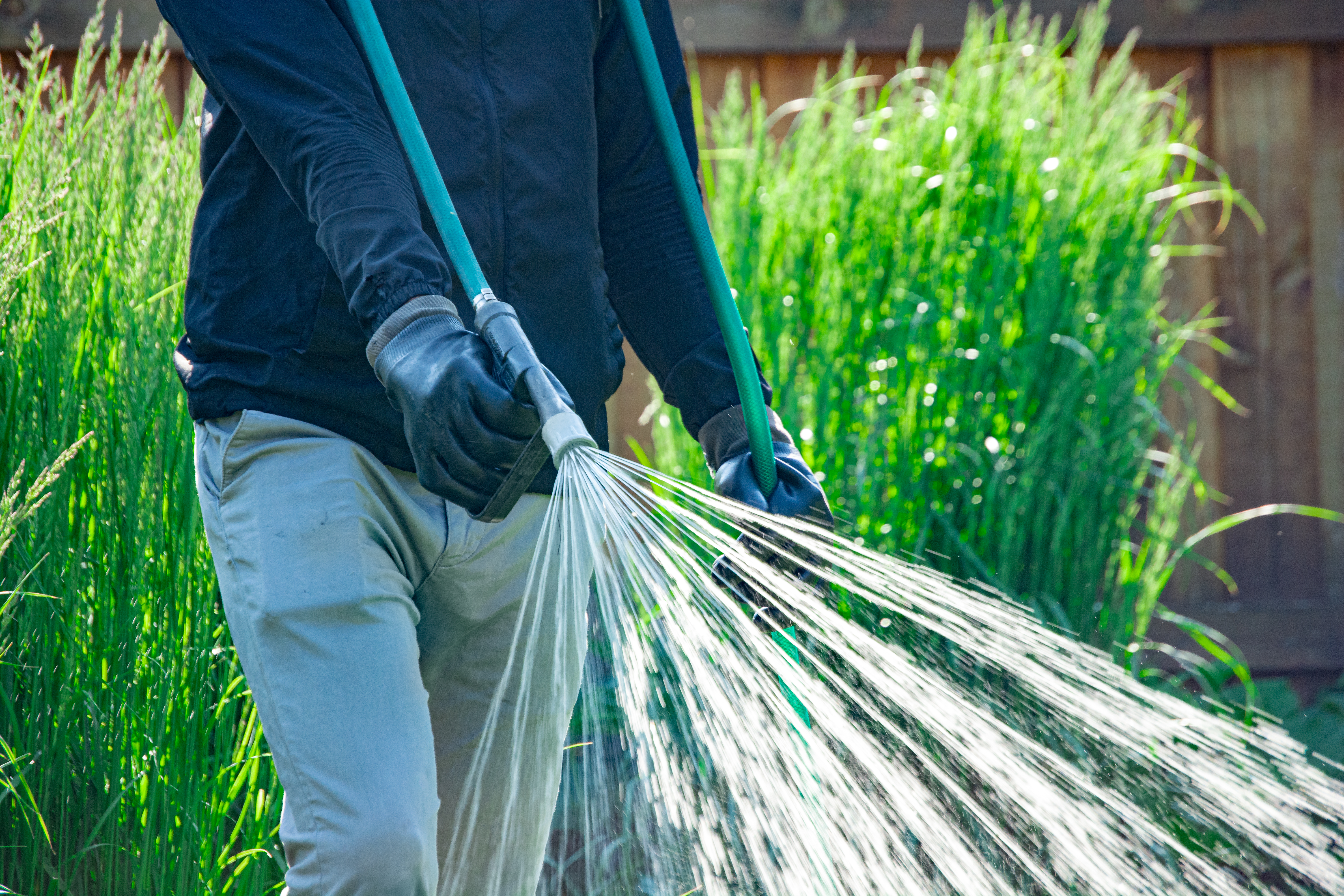
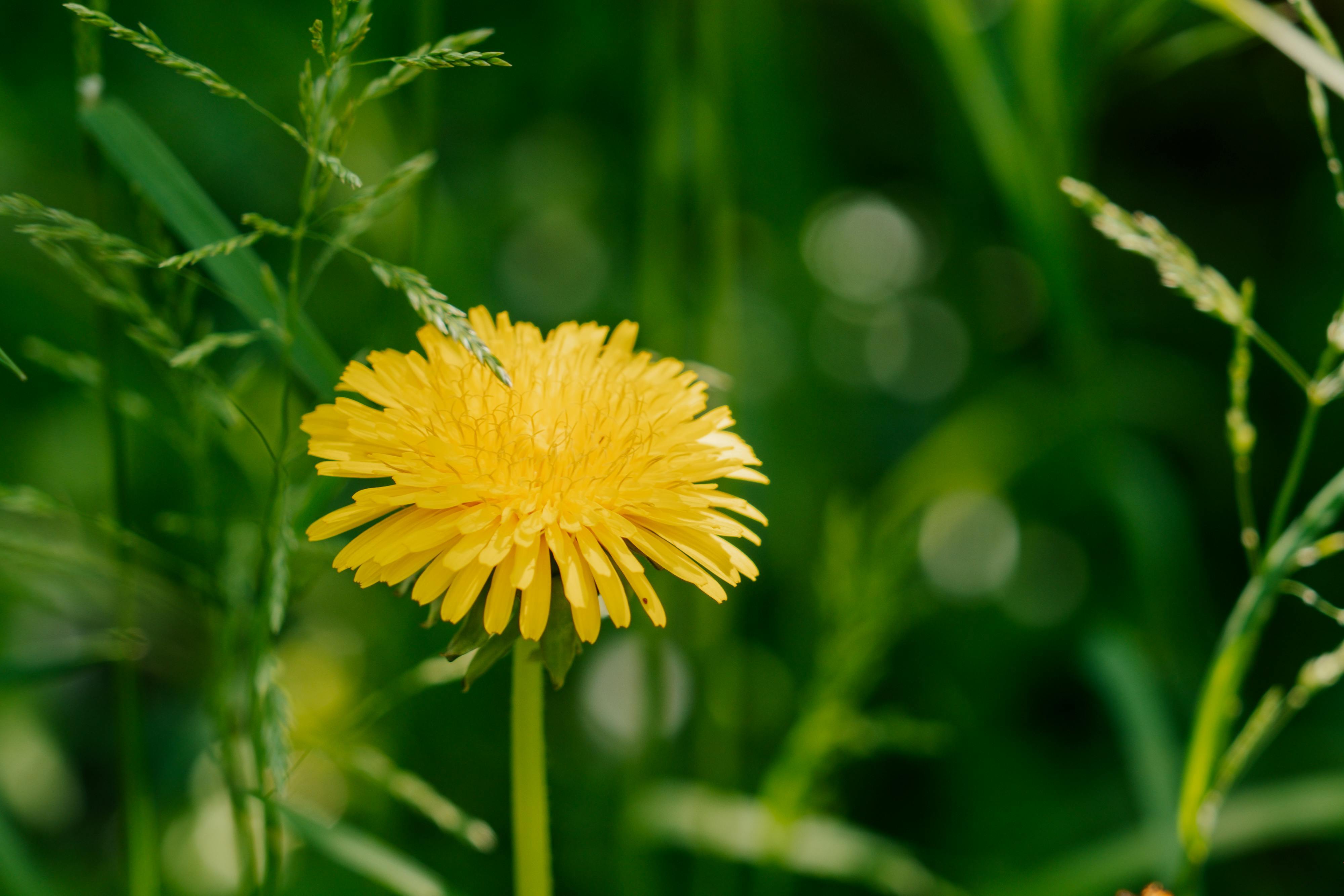
Residential lawn weed control is different from provincial invasive-weed enforcement. Neighbourhood Heroes uses selective broadleaf weed-control products for appropriate turf weeds such as dandelions, clover, plantain and thistle.
These treatments do not control every unwanted plant. Grassy weeds such as quackgrass and crabgrass require different management, and invasive plants such as creeping bellflower may require repeated mechanical or targeted control depending on the site.
A More Precise Way to Think About Weed Control
The history of weed management is not a simple progression from “bad chemicals” to “good natural methods.” Modern practice is more nuanced. Mechanical, cultural, biological and chemical tools can all have a role, and the best choice depends on the species, location, legal status and treatment objective.
Current Sources



No Comments Yet
Let us know what you think