Key Takeaways
- Effective weed management can combine hand removal, appropriate mowing, overseeding and targeted products; no single method suits every weed.
- Iron-based selective products vary in effectiveness by weed and growth stage. Follow the label for application and re-entry instructions.
- Household vinegar and dish soap can damage desirable turf. Corn gluten meal is a pre-emergent, not a treatment for established dandelions.
When the short Edmonton summer finally arrives, your backyard becomes the ultimate playground. Kids are running barefoot, dogs are rolling in the grass, and families are spending long evenings outdoors.
Because of this, many homeowners ask us about "organic" weed control. They want a beautiful, dandelion-free lawn, but they are curious if there are effective ways to manage weeds without standard synthetic treatments.
If you've searched online, you've probably seen hundreds of DIY recipes and natural hacks. But do they actually work in Edmonton’s tough clay soil and Zone 4a climate? Here is the honest truth about organic weed control, what actually works, and the myths you should avoid.
Traditional vs. Organic Weed Control: What Homeowners Should Know
Health Canada-registered herbicides are assessed and regulated for their approved uses, but that does not mean every product can be described as universally or entirely safe. The label determines how the product must be mixed, applied and used around people, pets and the environment.
For professional turf applications, follow the re-entry instructions provided by the applicator and the product label. Neighbourhood Heroes currently instructs customers to keep people and pets off treated turf for at least 3 hours and until the application is fully dry, whichever is longer.
If you prefer to reduce conventional herbicide use, options such as hand removal, improving turf density, appropriate mowing, overseeding and some iron-based products can help depending on the weed species and severity. No single method is effective for every weed or every lawn.
Chelated Iron: One Registered Lawn-Weed Option
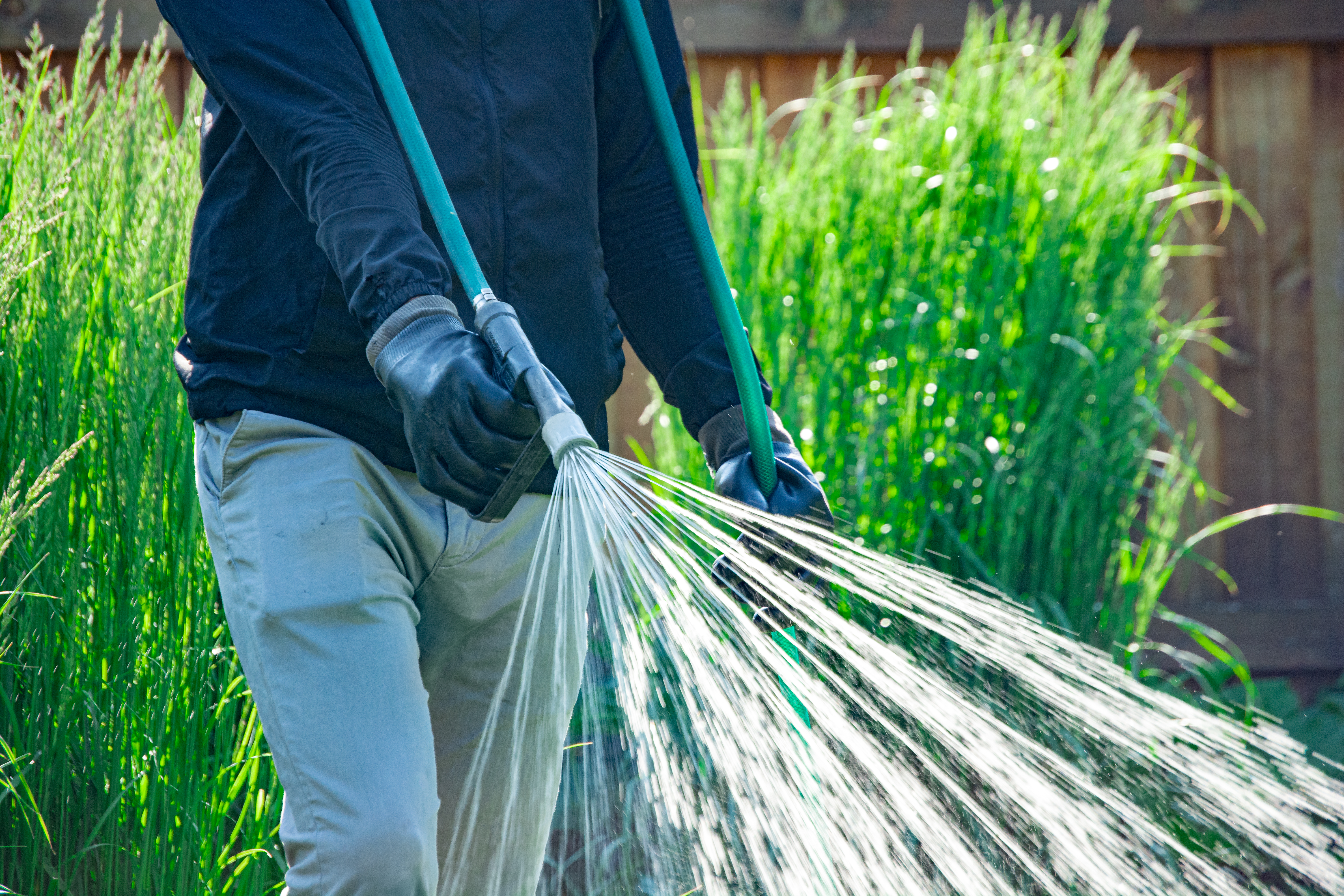
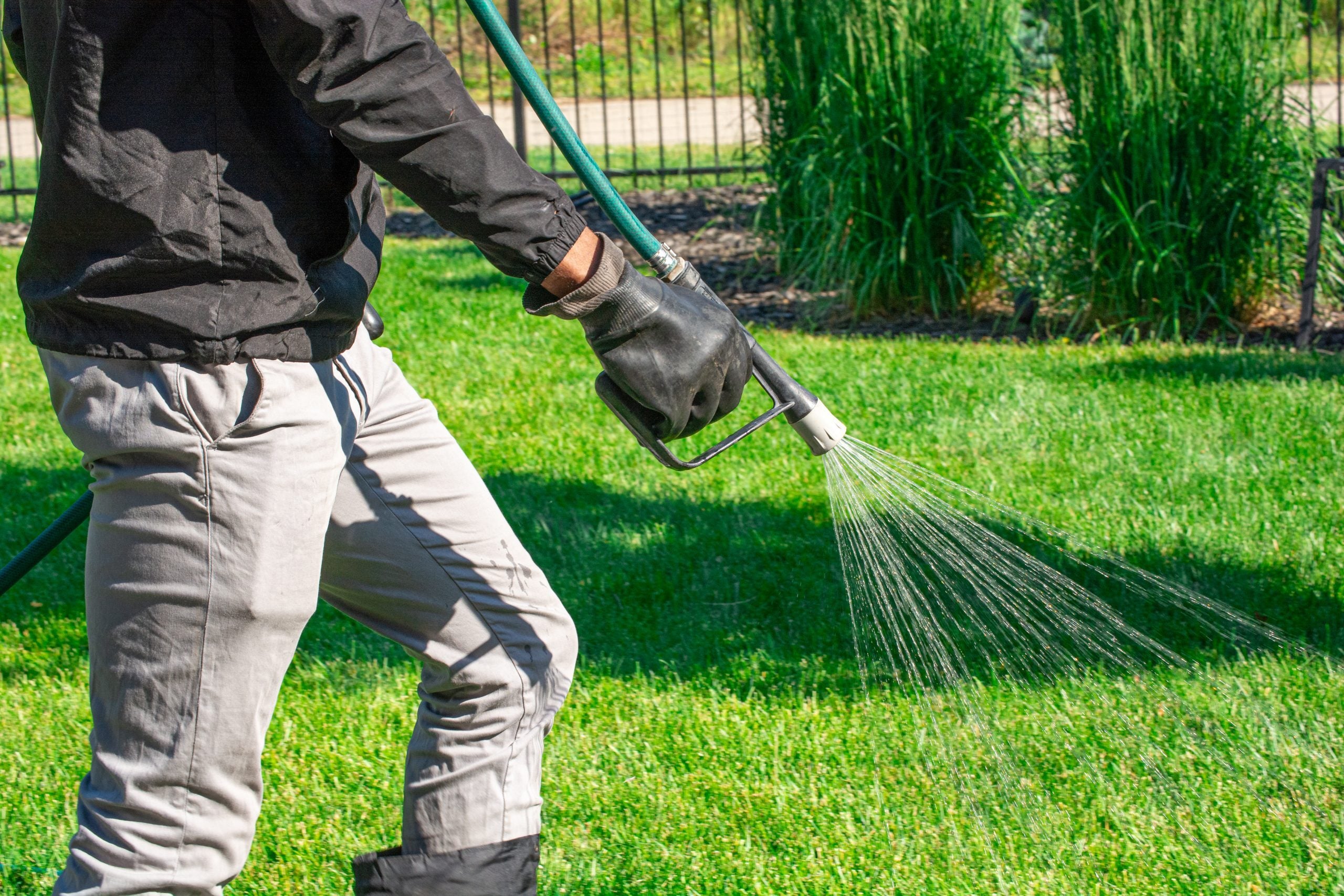
Iron-based selective herbicides are one registered option for homeowners who want to reduce the use of conventional synthetic broadleaf herbicides. Products such as Fiesta use iron in a chelated form and must be applied according to the registered label.
- How it works: Broadleaf weeds (like dandelions, thistle, and creeping bellflower) process iron very differently than grass does. When applied according to the label, susceptible broadleaf weeds absorb the iron and develop rapid tissue injury. Control varies by weed species and growth stage, and repeat applications may be required. Turf grasses are generally more tolerant at labelled rates.
- Why it’s great for families: Iron-based products can have different precautions and re-entry directions depending on the specific formulation. Always follow the current product label and keep people and pets out of the treated area for any interval the label requires.
The Ultimate Natural Defense: A Thicker Lawn
The most durable non-chemical weed-management strategy is maintaining a dense, healthy lawn. Weeds are opportunistic; they only grow where there is bare dirt, thin grass, and sunlight.
If you want to naturally push weeds out of your yard without using chemicals, you need to focus on cultural practices that give your grass the upper hand:
- Deep-Core Aeration: Weeds love Edmonton's heavily compacted, hard clay soil. Grass hates it. Where compaction is confirmed, core aeration can relieve it by removing physical plugs of soil. For cool-season turf, late summer to early fall is generally the preferred window, although spring aeration can be useful when compaction is severe. Core aeration can improve air and water movement into compacted soil and create better conditions for turf-root growth. A denser lawn can also leave less open space for weeds to establish.
- Spring Overseeding: If you have bare patches, weeds will claim them. Overseeding introduces fresh, resilient grass varieties into your lawn to fill those gaps before dandelion seeds can take root.
- Mow High: Keep your mower blade set to 2.5 or 3 inches. Taller grass casts shade onto the soil below, preventing dormant weed seeds from getting the sunlight they need to germinate.
Organic Weed Control Myths to Avoid
Don't fall for these common internet hacks—they will either ruin your lawn or waste your money.
- The Vinegar & Dish Soap DIY: Yes, mixing household vinegar and dish soap will kill weeds. But it is non-selective. It will aggressively burn and kill your grass, too! Save this mixture for the cracks in your driveway, but never spray it on your lawn.
- Corn Gluten Meal: Often sold as an organic weed killer, corn gluten is actually a pre-emergent. This means it stops seeds from sprouting. It is a great natural fertilizer, but it will do absolutely nothing to kill the dandelions that are already growing in your yard.
Need Effective Weed Control in Edmonton?
At Neighbourhood Heroes, we believe in honest, results-driven lawn care. Whether you need our highly effective standard weed control treatments to rescue an overgrown yard, or you want to build a naturally weed-resistant lawn through our comprehensive Aeration and Overseeding packages, we have a solution that fits your property and your family.



No Comments Yet
Let us know what you think