Key Takeaways
- Orange or reddish powder on grass, shoes or equipment can indicate lawn rust, often seen on slow-growing cool-season turf.
- Rust is usually cosmetic, though severe infection can weaken grass. Support steady growth with suitable watering and fertility only where needed.
- Mow with sharp blades and follow the one-third rule. Avoid heavy fertilizing during heat or drought stress; fungicides are rarely needed for a typical home lawn.
If your Edmonton lawn is leaving orange or reddish powder on shoes, pets or mower wheels, you may be seeing turfgrass rust. Rust is a group of fungal diseases caused mainly by Puccinia species and is most common on cool-season grasses such as Kentucky bluegrass and perennial ryegrass.
How to Identify Lawn Rust
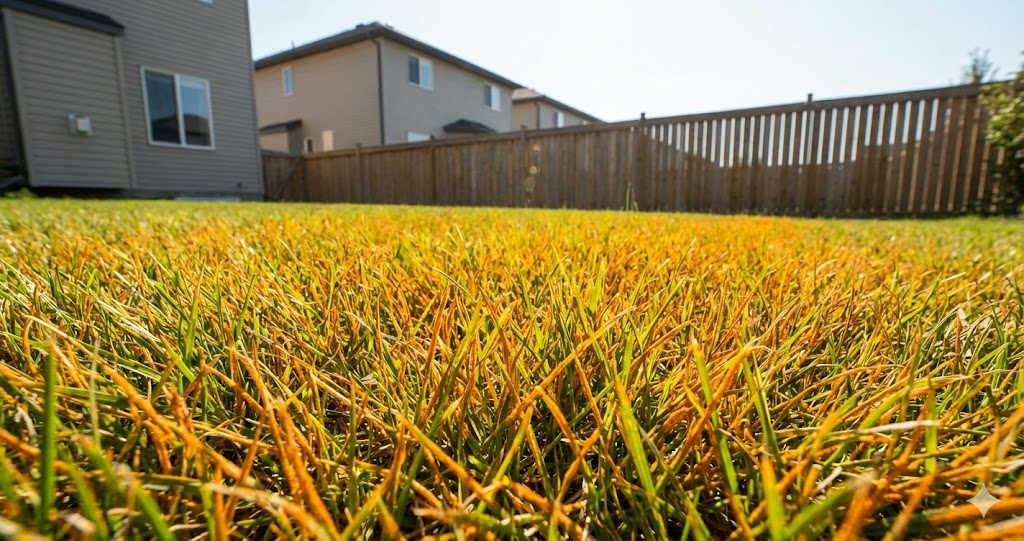
- Yellow or pale-green areas that later take on an orange or reddish cast
- Orange, yellow or reddish-brown powdery pustules on grass blades
- Spores that rub off onto shoes, clothing, pets or mowing equipment
- Slow-growing turf, often in late summer or early fall
Rust is usually more of a cosmetic problem than a lawn-killing disease, although severe infections can weaken turf and make it more vulnerable to other stresses.
Why Lawn Rust Develops
Rust commonly becomes noticeable when cool-season turf is growing slowly while leaf surfaces remain moist for long periods. Conditions that can contribute include:
- Low nitrogen or otherwise slow turf growth
- Dry soil combined with humid air or heavy dew
- Extended leaf wetness
- Susceptible Kentucky bluegrass or perennial ryegrass cultivars
Low nitrogen can contribute to rust, but it is not the only cause and should not be assumed from orange spores alone.
1. Keep the Lawn Growing at a Healthy Rate
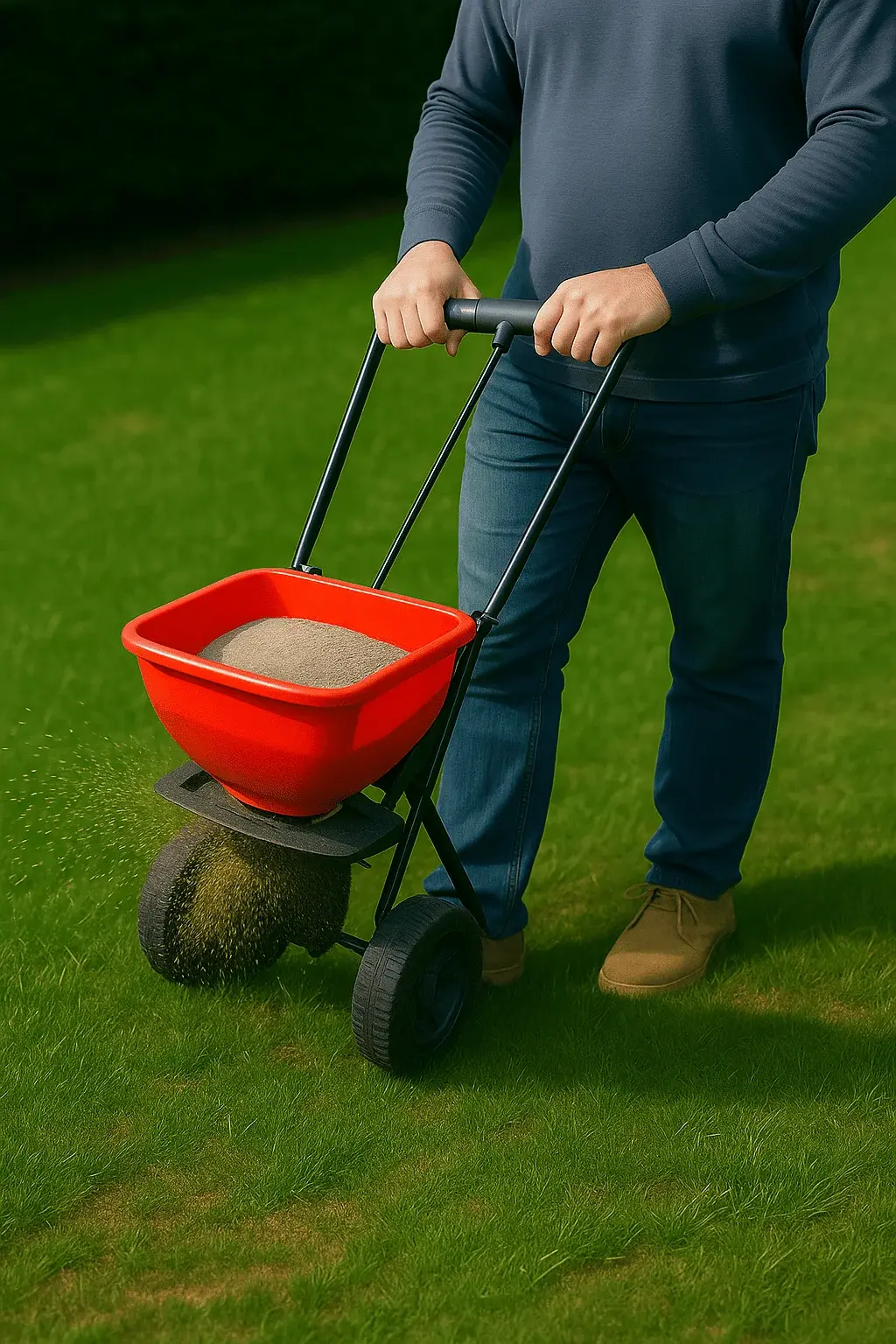
When the lawn is nutrient-deficient and actively growing, an appropriate nitrogen application can help turf outgrow the disease. Do not apply fertilizer blindly or heavily to heat- or drought-stressed grass.
Neighbourhood Heroes' liquid fertilization service can support turf growth when fertilization is appropriate, but fertilizer is not a fungicide and should not be presented as a guaranteed cure for rust.
2. Water Appropriately
If the soil is dry, deep irrigation can support normal turf growth. Avoid repeatedly wetting the leaves without adequately moistening the root zone.
Early morning is a practical watering time because the turf can dry as the day warms. Long periods of leaf wetness can favour rust development.
3. Mow Regularly
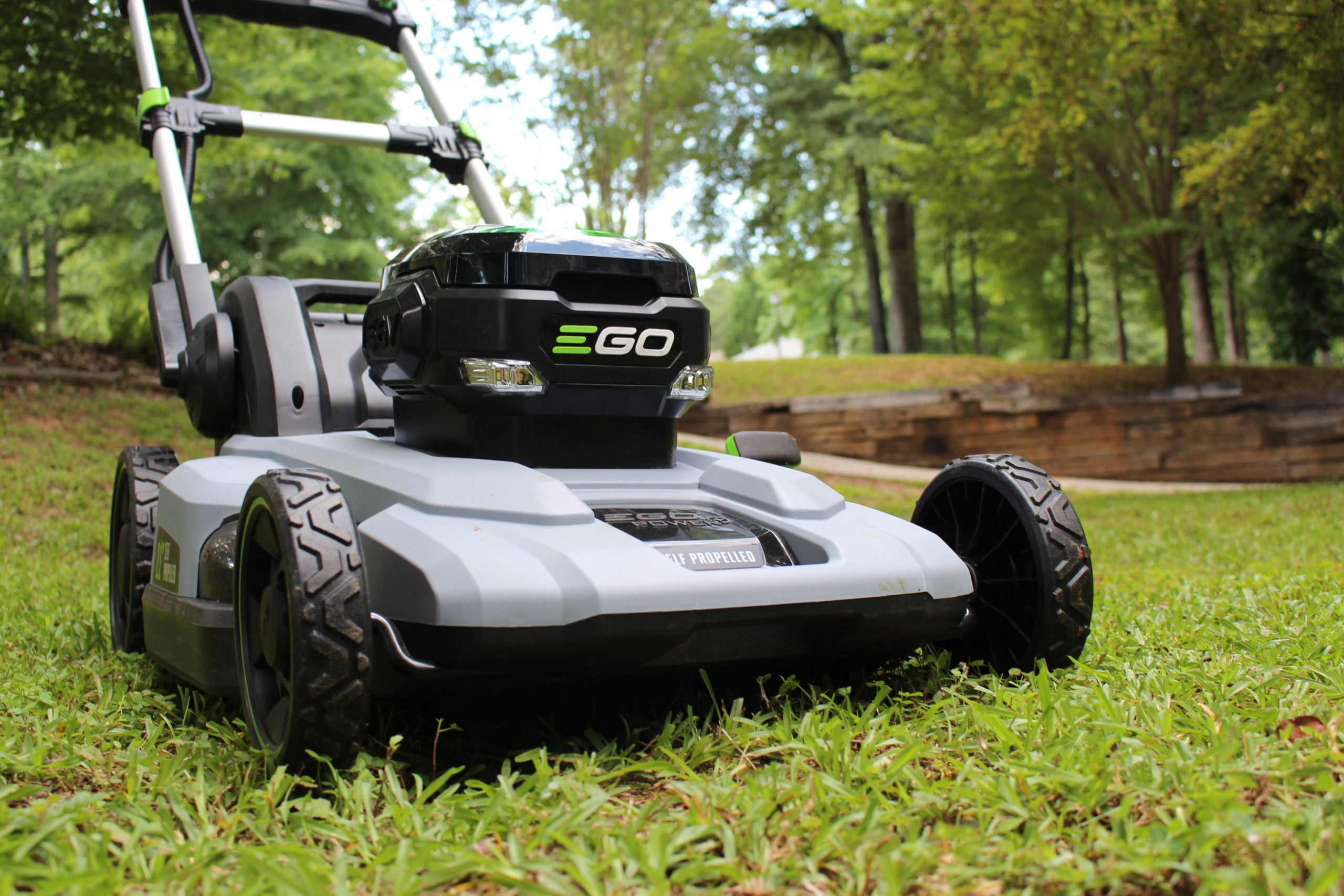
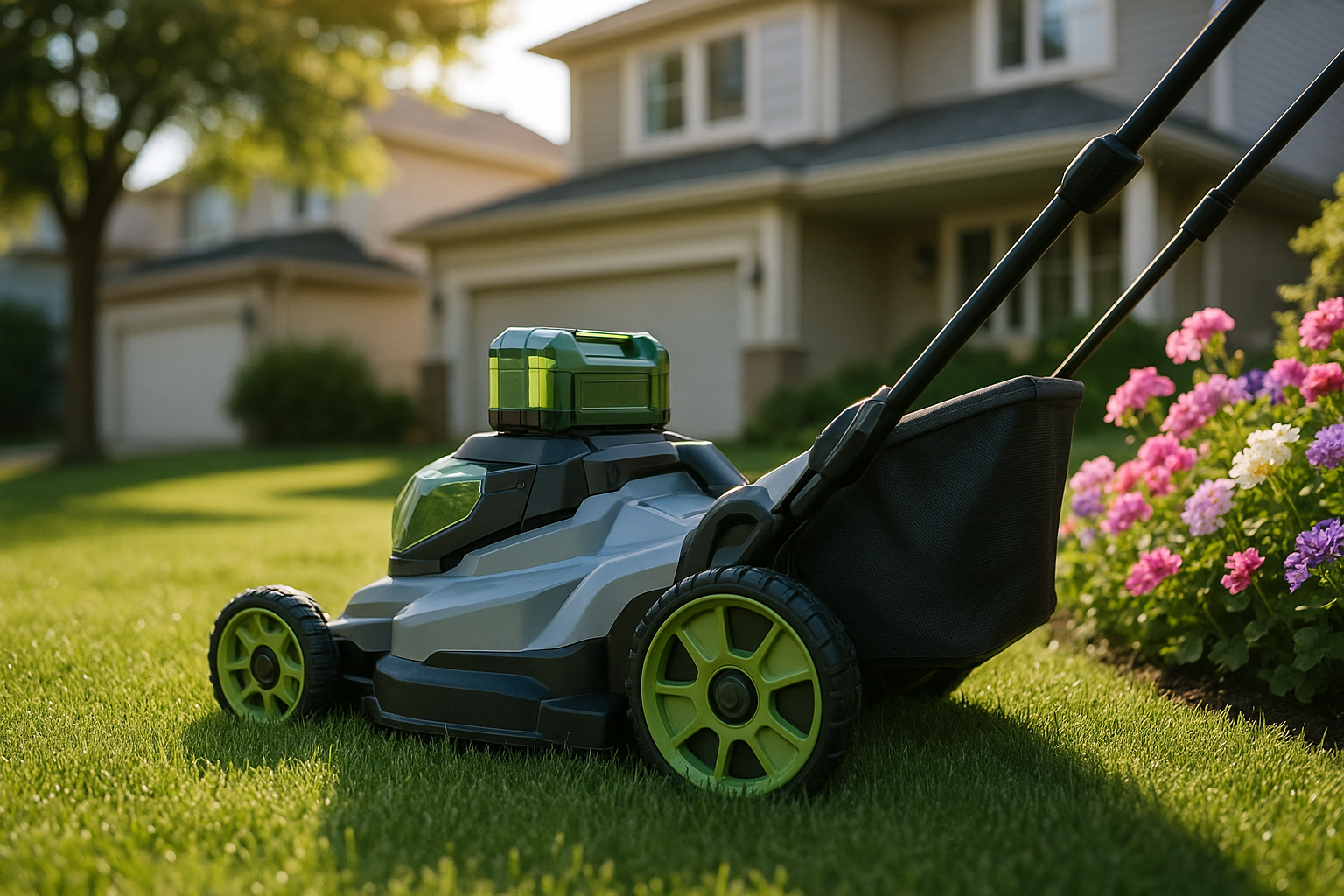
Regular mowing removes infected leaf tissue as the lawn grows. Keep blades sharp and follow the one-third rule rather than cutting the lawn excessively short.
Rust spores can collect on mower decks and shoes, but seeing spores does not mean the lawn needs to be scalped or aggressively dethatched.
4. Improve Compaction Only if It Is Present
Compaction can contribute to poor turf growth. Core aeration may help where soil is genuinely compacted, but aeration is not a direct rust treatment and is not automatically necessary because rust is present.
5. Do You Need a Fungicide?
Fungicides are rarely necessary for rust on a typical home lawn. University extension guidance generally emphasizes watering, appropriate fertility and maintaining steady turf growth first.
If rust is severe, recurring or affecting newly established turf, get a firm diagnosis before considering a fungicide and use only a product registered for the site and disease.
Neighbourhood Heroes does not currently offer a dedicated fungicide program.
Will Lawn Rust Go Away?
Many outbreaks decline as growing conditions improve and the lawn begins producing new tissue faster. Cooler weather, adequate soil moisture and appropriate fertility can help the turf recover.
If orange symptoms persist despite good growing conditions, consider whether another issue is also limiting the lawn, such as drought, poor drainage, compaction or nutrient deficiency.
Bottom Line
Lawn rust is usually manageable through good turf culture rather than aggressive chemical treatment. Confirm the orange powder is actually rust, support healthy growth, water appropriately and avoid overreacting with unnecessary pesticide applications.
If your lawn is thin or stressed, contact Neighbourhood Heroes to discuss whether fertilization, aeration, overseeding or another turf-care service fits the underlying problem.


No Comments Yet
Let us know what you think