Key Takeaways
- Identify why a bare patch formed before repairing it; traffic, pets, drought, pests, disease and soil conditions need different responses.
- Remove dead material, loosen the surface and establish good seed-to-soil contact using suitable grass seed.
- Keep the surface consistently moist during germination and protect new growth from traffic. Correct recurring wear or compaction so the patch is less likely to return.
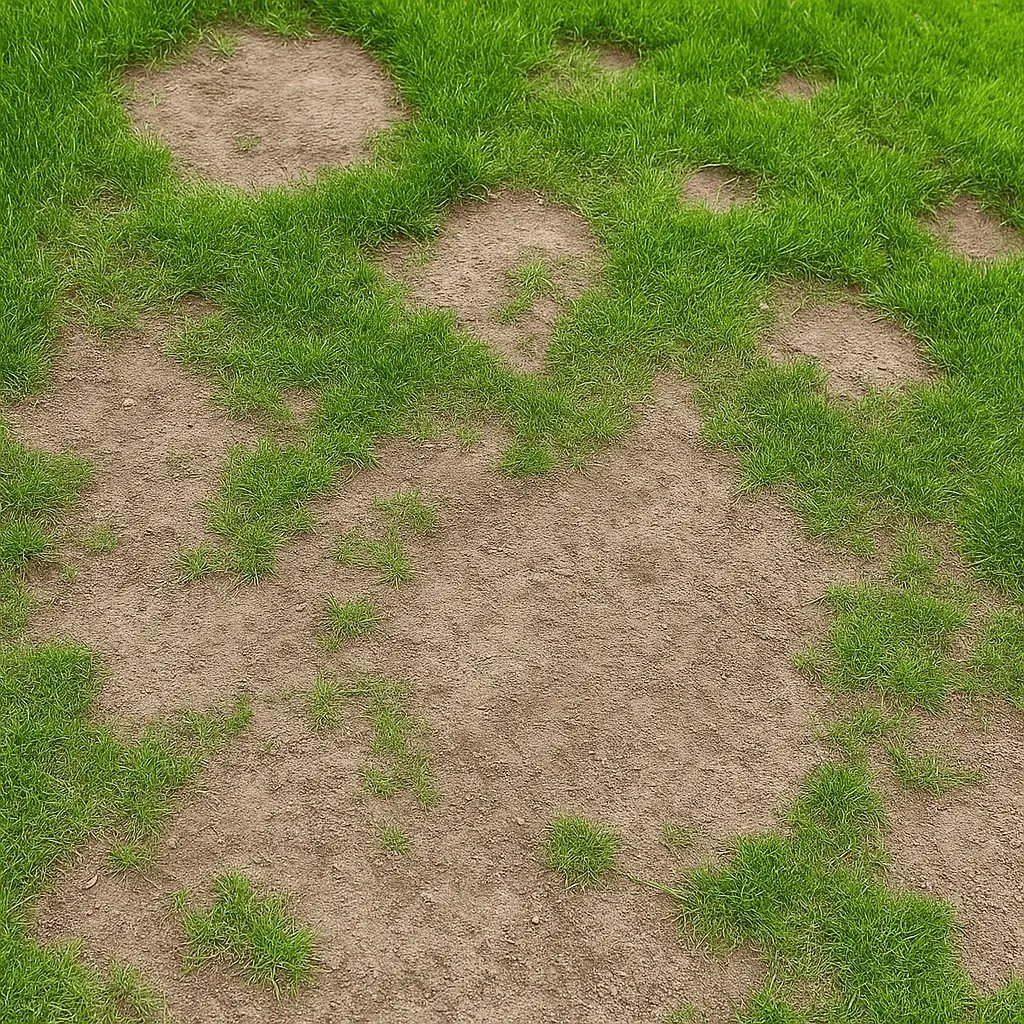
Bare patches in your lawn can make an otherwise healthy yard look neglected. These spots often appear due to heavy foot traffic, pet damage, drought, or poor soil conditions. Repairing them promptly ensures your lawn grows back lush and uniform, preventing weeds from taking over.
Why Do Bare Patches Occur?
Bare patches are typically caused by:
- Pet Urine or High Foot Traffic: Concentrated nitrogen from pets or repeated walking compresses soil and burns grass.
- Drought or Poor Watering Practices: Inconsistent watering can stress grass, leaving thin or dead areas.
- Pests or Diseases: Lawn grubs, fungal infections, or snow mould can leave patches behind.
- Poor Soil Quality: Compacted or nutrient-deficient soil struggles to support new growth.
Identifying the cause ensures long-lasting repairs rather than temporary fixes.
Step-by-Step Guide to Repairing Bare Patches
1. Prepare the Area
Remove any dead grass, debris, or weeds from the patch. Loosen and lightly cultivate the upper soil so the seed can contact the soil surface effectively. If the soil is compacted, consider deep-core aeration to enhance airflow and nutrient absorption.
2. Test and Amend the Soil
Poor soil often causes recurring patches. Perform a soil test to check nutrient levels and pH. Add compost or organic matter to enrich the soil — see How can I improve soil quality for my lawn? for detailed tips.
3. Overseed the Patch
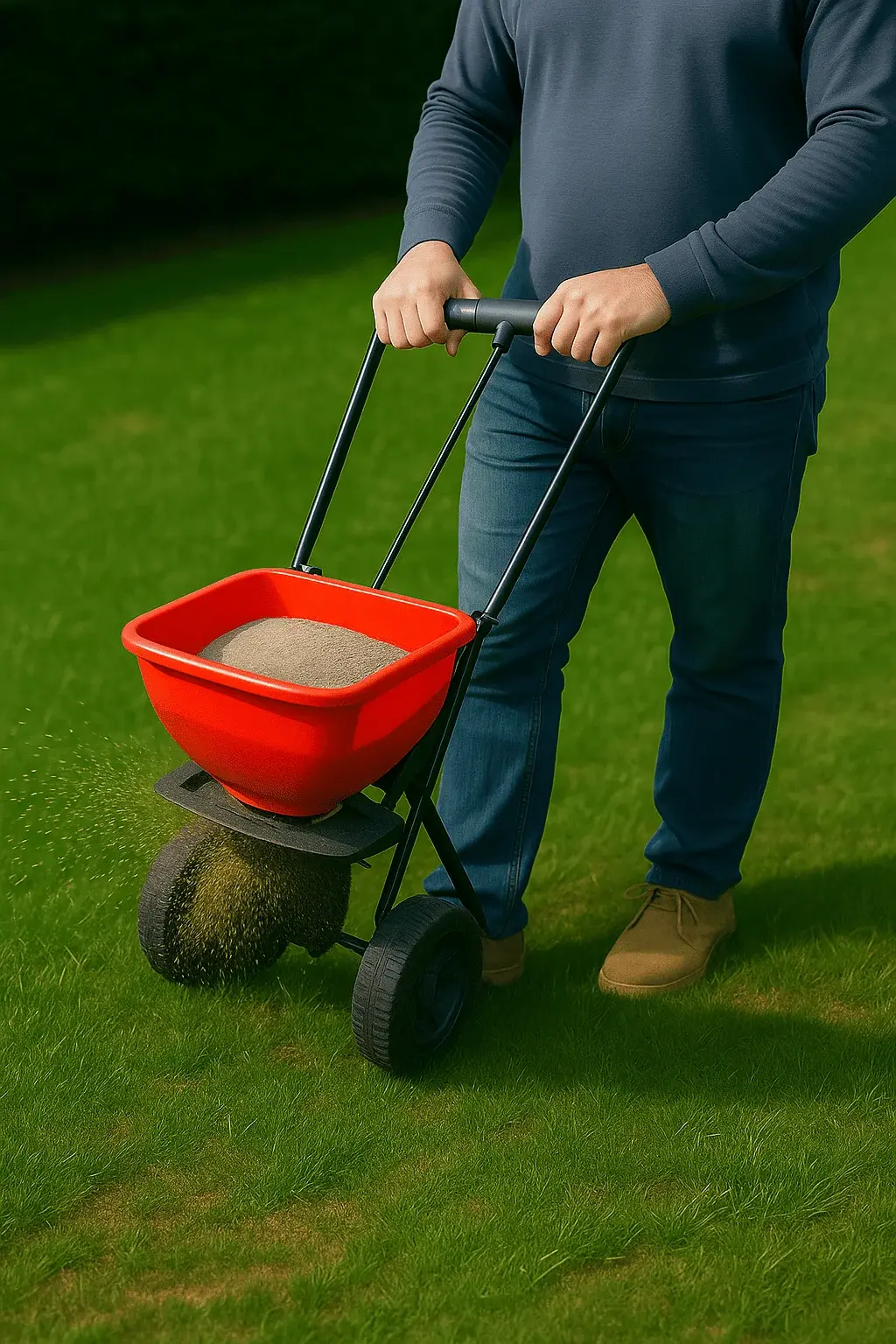
Choose grass seed suited to Edmonton’s climate (learn more in What type of grass seed is best for Edmonton’s climate?). Spread the seed evenly, then lightly rake it into the soil for good coverage.
4. Water Consistently
After seeding, keep the upper soil surface consistently moist with light, frequent irrigation. Depending on weather and soil, that can mean several short waterings per day at first. As seedlings establish, gradually reduce frequency and water more deeply. For guidance, check our watering schedule for Alberta lawns.
5. Mow Properly After Establishment
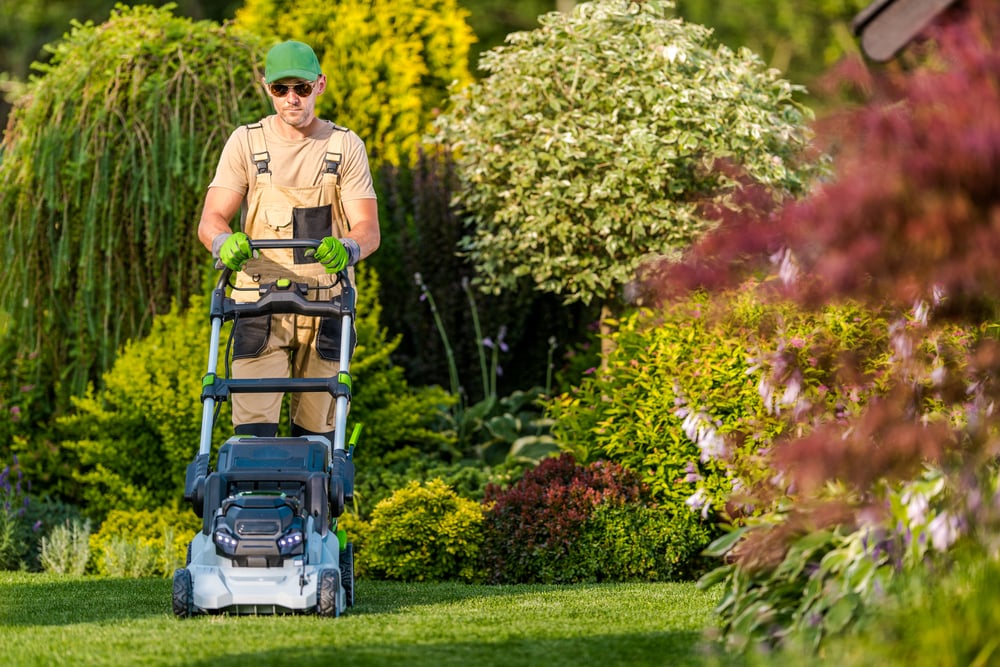
Once the grass reaches 3–4 inches, mow at the recommended height (see ideal mowing height for Edmonton lawns). This encourages strong, even growth.
Preventing Bare Patches in the Future
- Aerate when compaction is limiting water or air movement. High-traffic and heavy-clay lawns may benefit from regular core aeration, but it is not automatically required every year for every lawn.
- Follow an eco-friendly fertilization plan (we provide liquid fertilization designed for Edmonton lawns).
- Manage weeds with targeted treatments — see How do I prevent weeds in my lawn? for prevention strategies.
- Limit traffic or use stepping stones in high-traffic areas.
Leave It to the Experts
Repairing bare patches can be time-consuming, especially if poor soil or compaction is involved. At Neighbourhood Heroes, we provide liquid fertilization, deep-core aeration, and eco-conscious weed control as part of our lawn care services.
Contact us today to schedule your lawn repair and enjoy a greener, healthier yard.



No Comments Yet
Let us know what you think