Key Takeaways
- Keep Edmonton sidewalks clear as quickly as possible; the City's 48-hour complaint threshold is not a legal grace period.
- Clear after snowfall to limit compaction, and repeat as needed during heavy or prolonged storms.
- Check for refrozen ice during temperature changes. Sand adds traction and labelled ice melt can help address ice, but mechanical removal remains necessary.
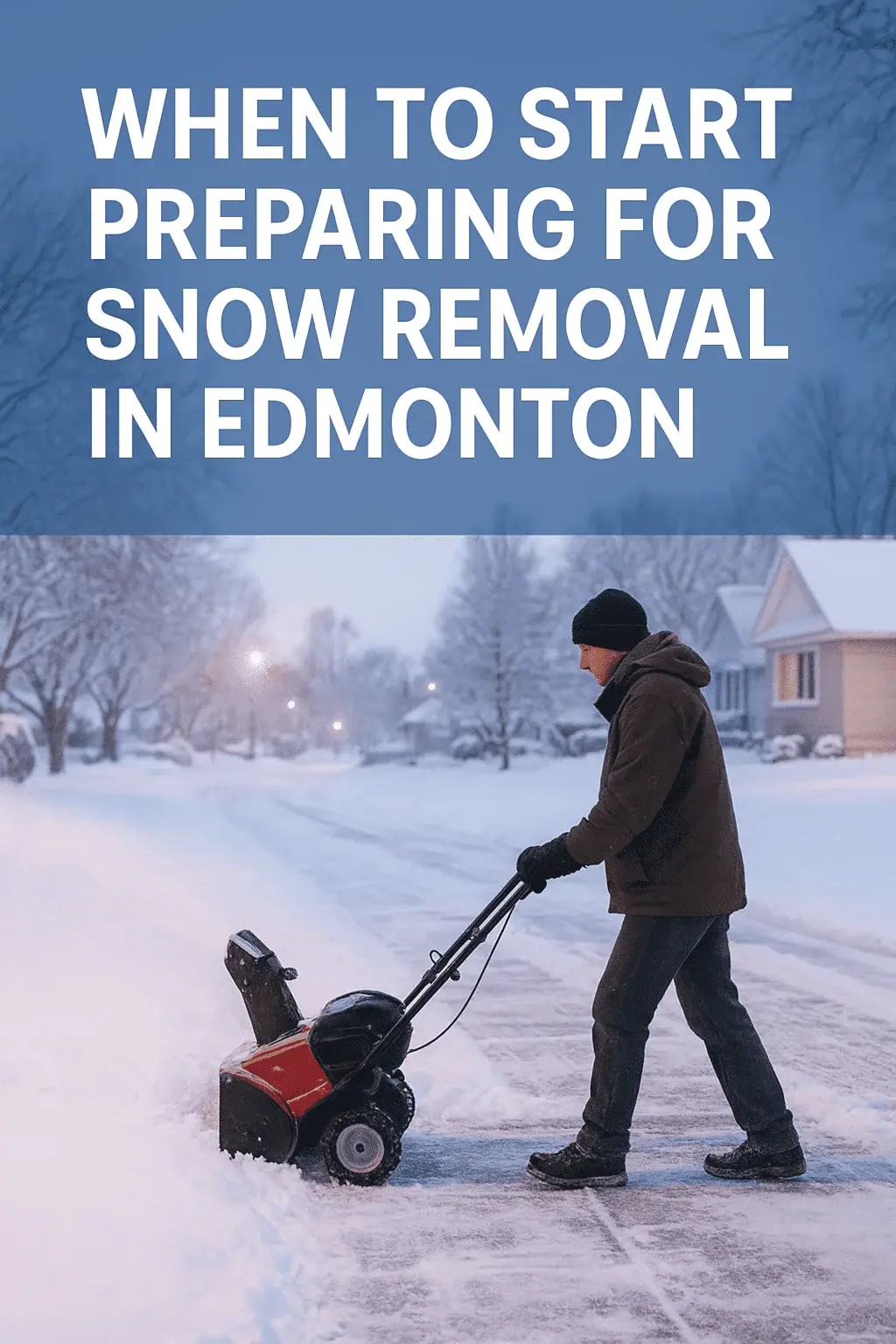
In Edmonton, keeping sidewalks clear of snow isn’t just about convenience—it’s about safety and compliance with city bylaws. Slippery, snow-covered sidewalks can create hazards for pedestrians, and failing to clear them on time can lead to fines. But how often should you actually be clearing snow from your sidewalks?
Edmonton’s Sidewalk Snow Removal Rules
Community Standards Bylaw 14600 requires owners and occupants to keep sidewalks adjacent to their property clear of snow and ice. The bylaw itself does not set a fixed 48-hour deadline. The City says snow and ice should be removed as quickly as possible.
The City generally accepts snow-on-sidewalk complaints only when it has not snowed for at least 48 hours. That complaint threshold is not a guaranteed legal grace period, and warning notices are not required before enforcement.
Best Practices for Clearing Snow
The City generally accepts snow-on-sidewalk complaints only when it has not snowed for at least 48 hours, but that complaint threshold is not a legal grace period. Waiting can also allow snow to compact or refreeze. Here are some best practices:
1. Clear After Every Snowfall
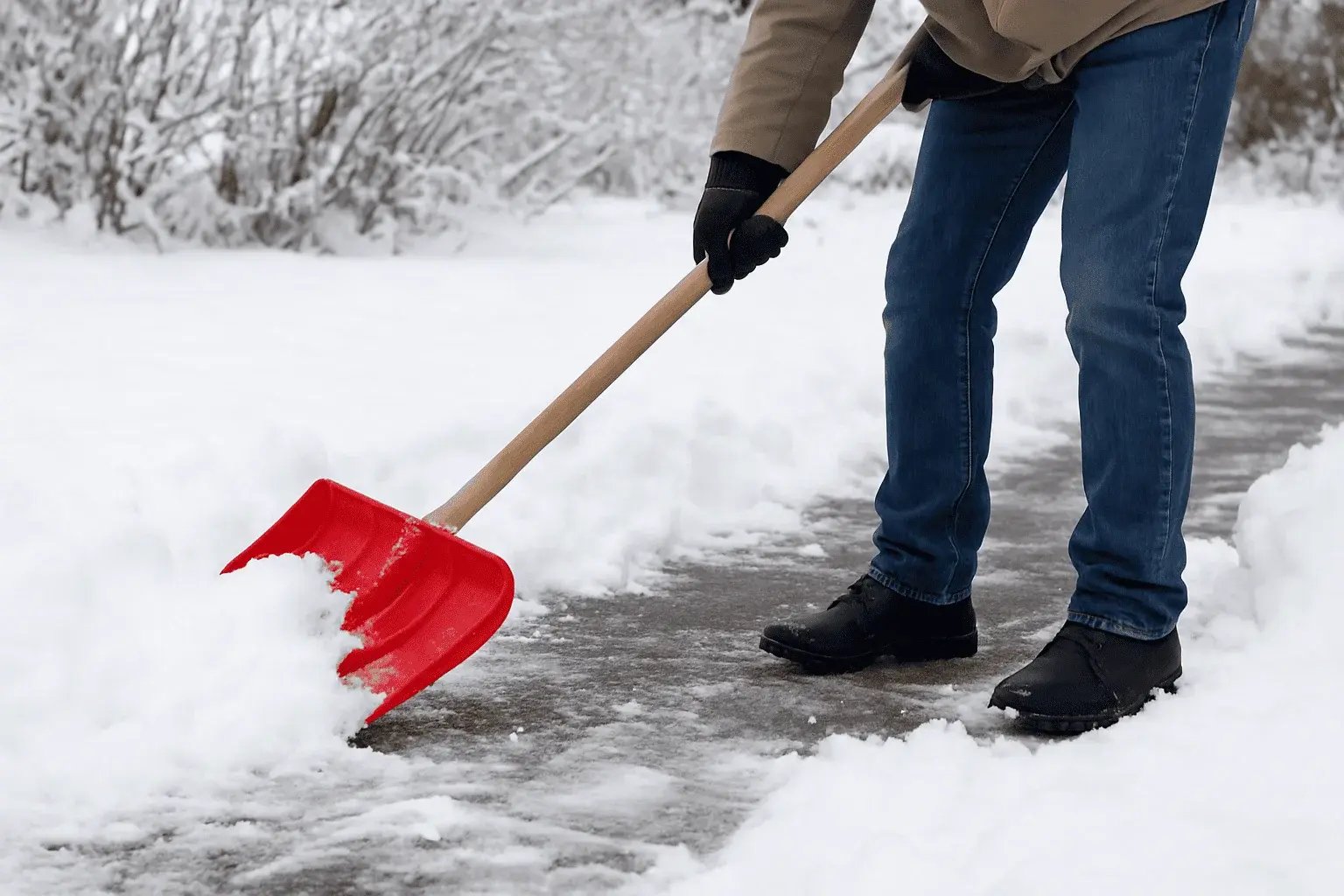
Light snow may seem harmless, but if it’s left to pack down, it can quickly turn into ice. Clearing it right after a snowfall is the easiest and safest approach.
2. Clear Multiple Times During Heavy Snowfalls
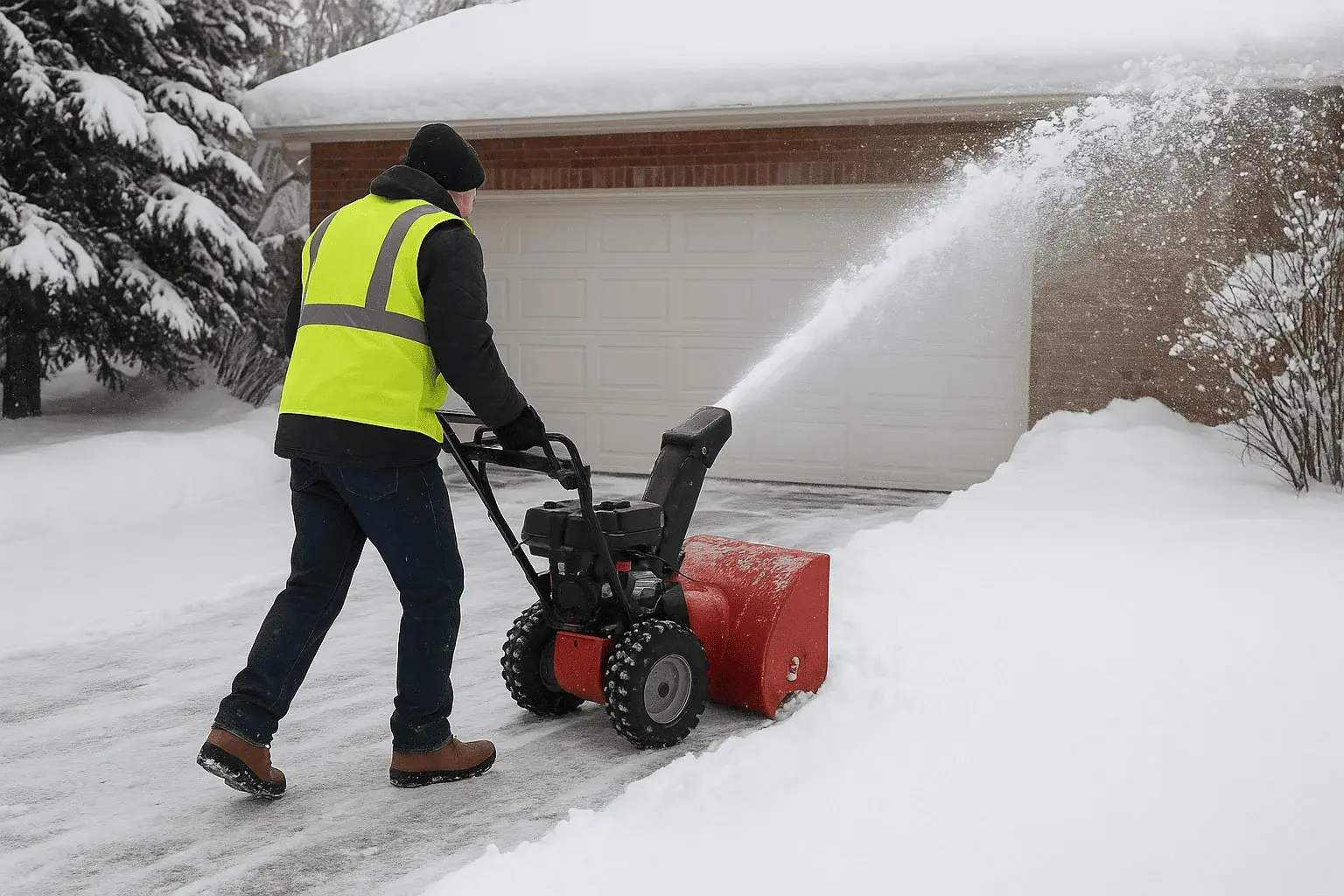
When Edmonton gets a major storm, snow can pile up quickly. Clearing it once in the middle of the storm and again after it ends makes the job much easier than tackling 20 cm of compacted snow at once.
3. Address Freeze-Thaw Cycles
Even after sidewalks are cleared, melting snow during the day can refreeze into ice at night. Sand can improve traction, while ice melt can help loosen or melt ice when used according to the label. Neither replaces mechanical snow and ice removal.
👉 Learn how to protect your surfaces in our post: How Do I Prevent Ice Damage to My Driveway This Winter?
Why Consistent Snow Clearing Matters
- Safety for Everyone: Clear sidewalks reduce slips and falls for pedestrians, delivery workers, and visitors.
- Legal Compliance: Staying on top of snow removal keeps you in line with city bylaws.
- Curb Appeal: A consistently clear property creates a welcoming appearance, even in the harshest winter months.
Neighbourhood Heroes’ 24-Hour Service Window
Neighbourhood Heroes dispatches when snowfall reaches at least 0.5 cm and for freezing-rain events. Our current service promise is route completion within 24 hours after the snowfall ends.
- Unlimited visits when the service trigger is met
- Included areas: driveway, sidewalks, front steps and corner-lot sidewalks
- Ice control: ice melt application
- Not included: windrow clearing
👉 Learn more about our Snow Removal Services in Edmonton.
Final Thoughts
In Edmonton, the safest approach is to clear adjacent sidewalks promptly after each snowfall and not treat the City's 48-hour complaint threshold as a legal deadline. Neighbourhood Heroes provides a defined 24-hour service window after the snowfall ends when the service trigger is met.
A professional service can reduce the workload and provide a defined response standard, but property owners should still confirm that all required areas are included and monitor changing ice conditions.



No Comments Yet
Let us know what you think